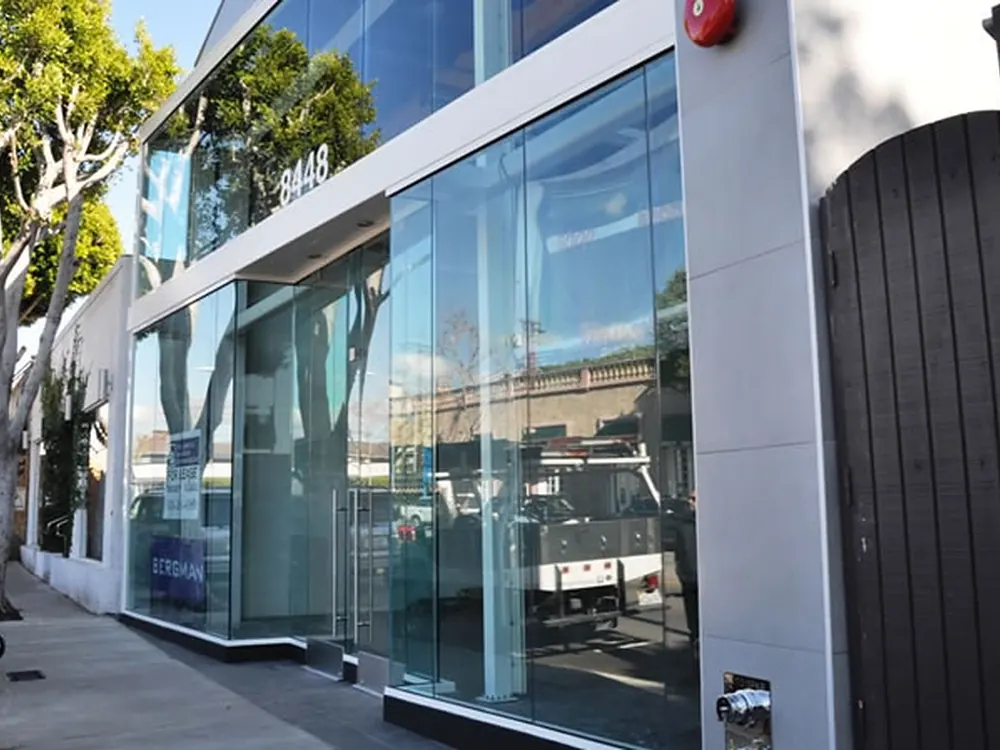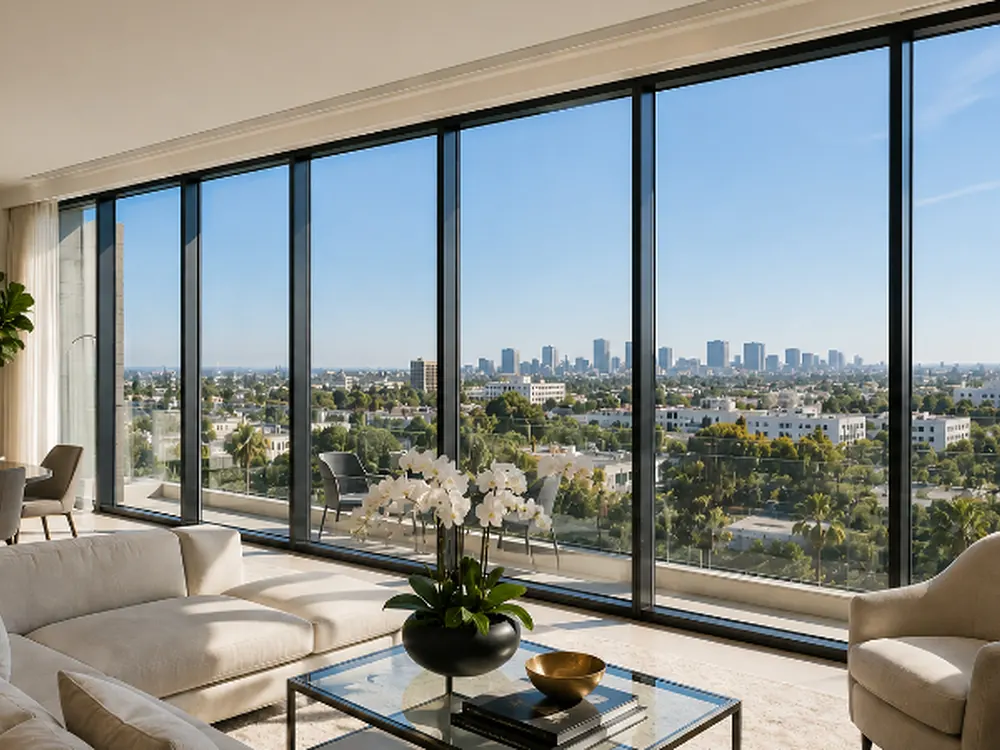
The floor-to-ceiling glazing that makes a post-and-beam house extraordinary is also delivering an enormous light and heat load onto everything inside it. Fading is the slowest and least visible consequence, and it's permanent — you notice it the day a rug moves and reveals the colour the floor used to be.
Four causes, and UV is only the largest
Ultraviolet light takes the blame and accounts for roughly 40% of fade damage. Visible light contributes about another 25%, heat around 25%, and the remainder comes from humidity and the inherent stability of the dye or finish.
That breakdown is how to read film marketing honestly. "Blocks 99% of UV" is entirely true and substantially incomplete — nearly every quality film does it, including completely clear security film. It removes the largest single cause. Getting at the remaining 60% needs a film that also cuts visible light and infrared heat.
Glass area is the multiplier
A conventional house might have glazing equal to fifteen percent of its floor area. A mid-century house designed around a view can be several times that, with two or three glazed walls in the principal rooms and clerestory bands above.
Fade damage scales with total light energy delivered, so that ratio is the whole story. The same exposure over the same years does considerably more damage in a glass house than a conventional one — which is why the fade problem in these neighbourhoods tends to be advanced by the time anyone notices it.
The original glazing problem
Many of these houses still have their original single-pane glass, which blocks very little UV. Modern dual-pane low-E units block a meaningful fraction as a side effect of their coatings; original plate glass blocks almost none.
So an untreated mid-century house is receiving close to the full ultraviolet load, across an unusually large glass area, for the whole day. It's the highest-exposure residential situation we encounter anywhere in our market.
What's most at risk
Broadly in the order the damage becomes visible:
- Anything on paper, photographs, and fabric — watercolours and silk can move visibly in one summer.
- Original hardwood floors, especially walnut and anything with an oil finish.
- Period furniture finishes, which yellow and chalk before the wood beneath changes.
- Soft furnishings and curtains, where reds and blues drop out ahead of everything else.
- Leather, which dries out and loses colour quickly in a hot room with direct sun.
For houses with a real collection this stops being a comfort question and becomes a conservation one. Museums hold galleries to strict lux and UV limits for exactly this reason, and a living room with three glazed walls runs far outside those limits every day.
How much film actually helps
A good product stops 99% of the ultraviolet, plus a real share of visible light and heat depending which you choose. Against untreated glass that generally buys a two to five times slowdown — four years turns into something nearer fifteen.
It is not zero, and no film makes a room archival. But going from "noticeably faded in a few years" to "still looks right in a decade and a half" is the difference between replacing a floor once and replacing it three times. If you'd like to know what your exposures are actually doing, ask for a free assessment and we'll tell you which windows matter.